 |
 |
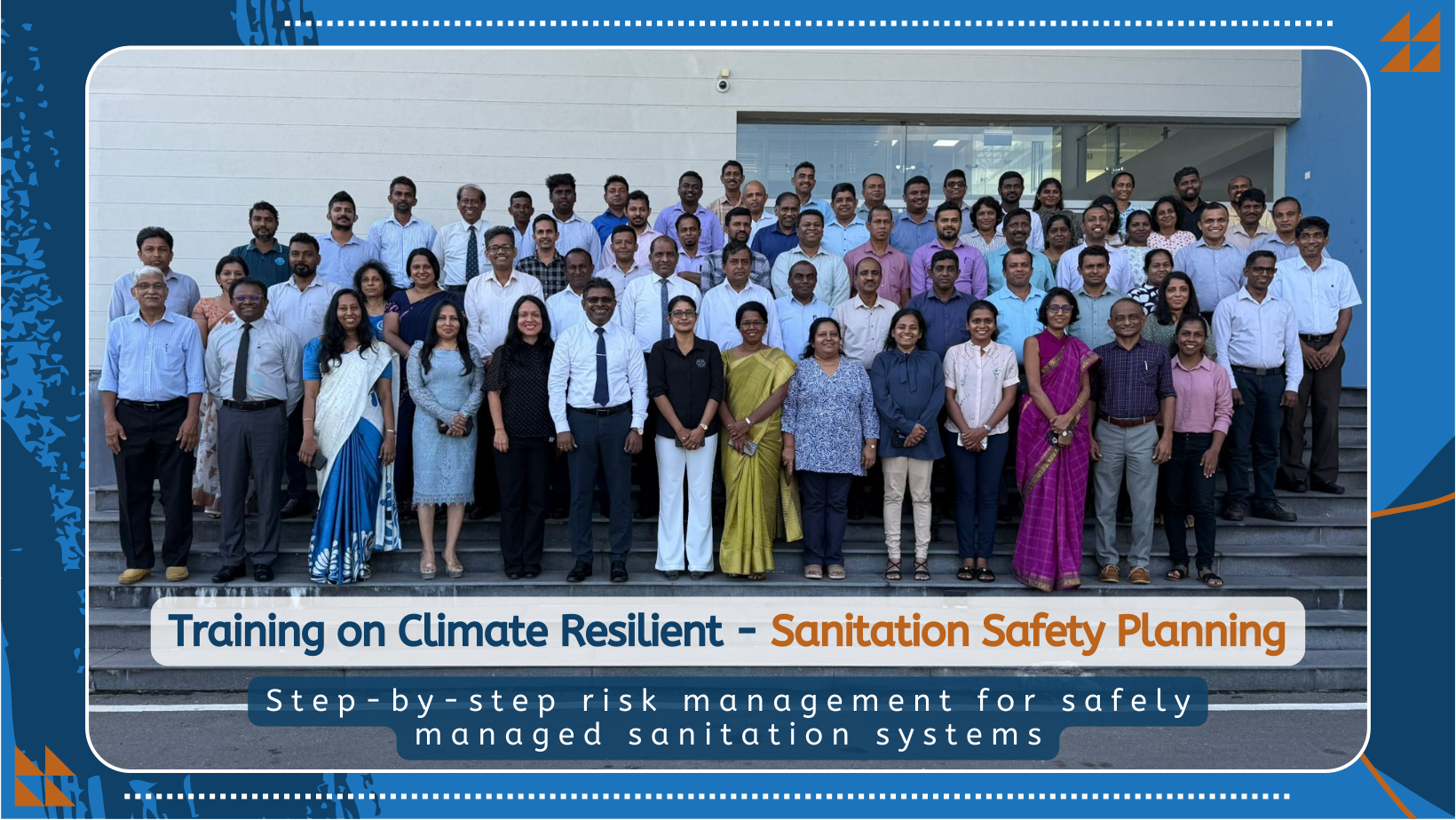
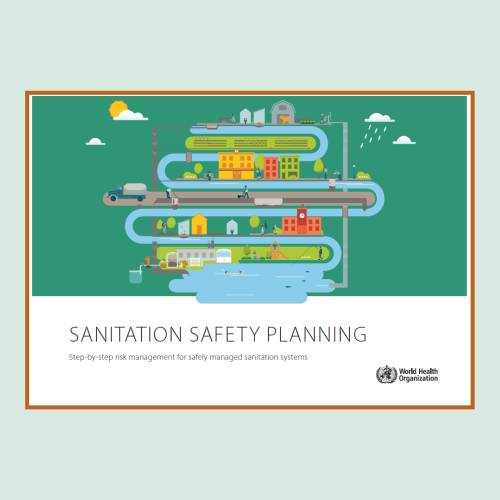
Sanitation Safety Planning is a risk based management tool for sanitation systems that identifies and prioritizes health risks along the entire sanitation chain, from toilets and containment to conveyance, treatment, and final use or disposal. The methodology guides management and investment decisions through risk assessment while setting operational monitoring priorities and regulatory oversight for the highest risk areas. Its implementation provides authorities and the public with assurance of the safety and reliability of sanitation related products and services.
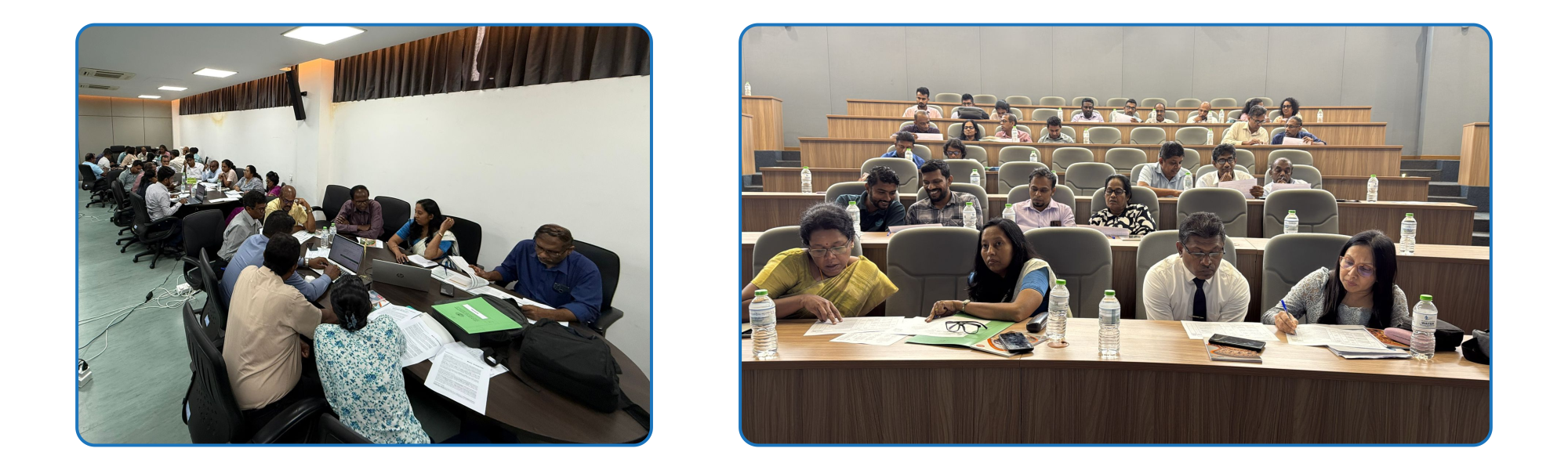
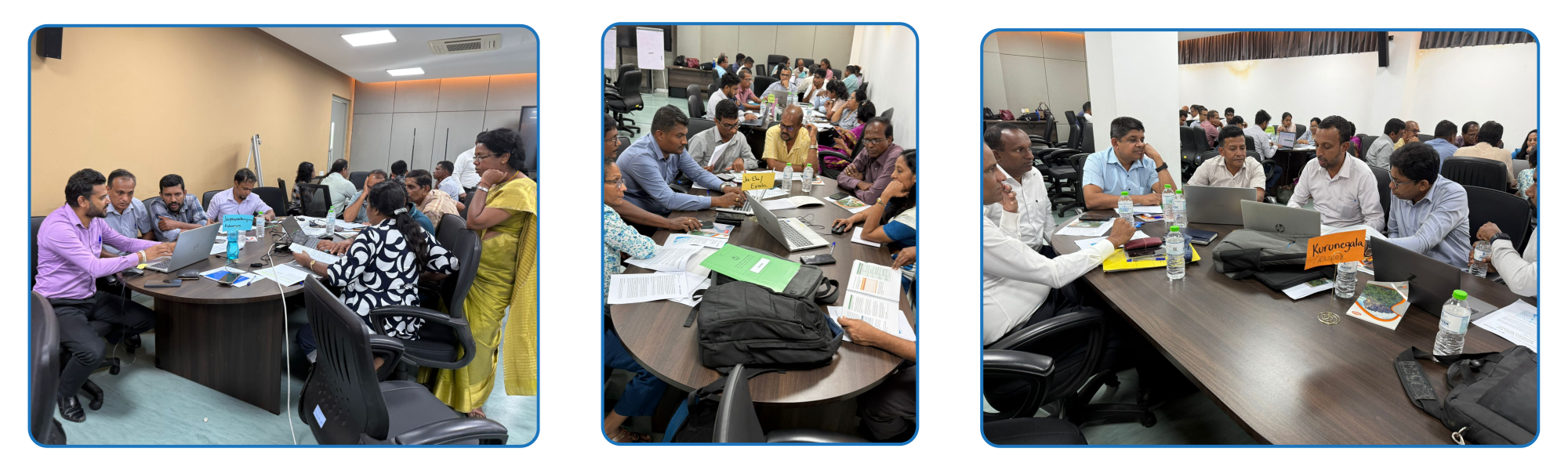
Sri Lanka has already made significant progress in introducing Sanitation Safety Planning, with all fourteen sanitation schemes under NWSDB developing SSPs at different stages. This training builds on that progress by strengthening local capacity to finalize, implement, monitor, and audit the plans. It brings together policymakers, auditors, and practitioners to learn WHO’s step by step methodology, apply it in a real sanitation system in Colombo, identify health risks, implement control measures, and practice using the audit system to improve SSP quality and advance its effective implementation across the country.
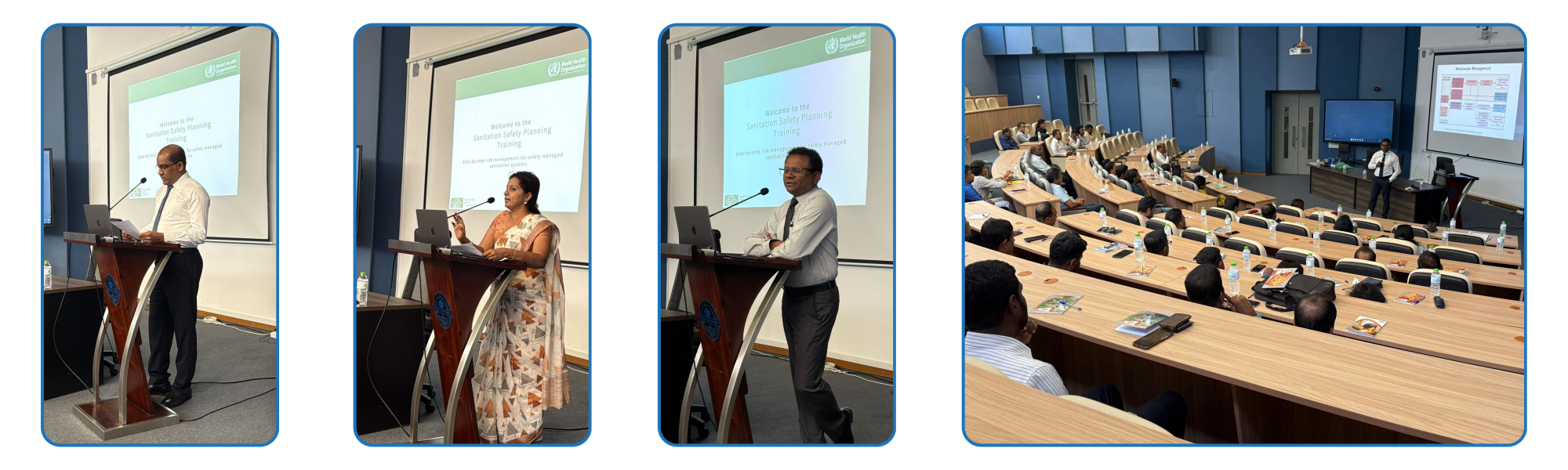
The training serves both as a capacity building platform and as a concrete opportunity to advance the effective implementation of Sanitation Safety Planning across the full sanitation chain in Sri Lanka.
Target audience
The training brings together three distinct target groups:
Policy makers and decision-makers: Representatives from national, regional, and local authorities, as well as professionals who are interested to know about SSP. Their participation focuses on gaining an understanding of SSP as a risk-management approach for sanitation planning and service delivery.
SSP auditors: Who are specialists engaged in conducting SSP audits. This group will deepen their knowledge of the SSP methodology, become proficient in the audit marking system, and learn how to identify typical gaps, weaknesses, and areas for improvement during SSP audits.
Practitioners: Operational staff and specialists working in the sanitation schemes of the NWSDB. Their focus is on completing existing SSPs, applying them as risk management tools, and ensuring that each sanitation system can sustain safe and effective service delivery.
Objectives
 The training aims to equip policy makers and decision-makers with the knowledge and insights necessary to enhance their capacity to:
- Understand the value of Sanitation Safety Planning as a tool for improving the safety, performance, and resilience of sanitation systems.
- Promote and adopt a risk-based management approach when planning, investing in, and regulating sanitation services.
- Support the integration of SSP into Sri Lanka’s national, regional, and local sanitation strategies.
 The training will also strengthen the expertise of SSP auditors by enabling them to:
- Apply the SSP audit methodology and marking system effectively.
- Recognize common challenges and gaps in sanitation safety planning and understand where to look during an audit.
- Provide constructive feedback to sanitation scheme teams to improve the quality and completeness of their SSPs.
 Furthermore, the training will empower practitioners—operators and specialists of NWSDB sanitation schemes—with practical skills and resources, enabling them to:
- Complete, refine, and maintain their existing SSPs as a comprehensive risk management tool.
- Identify and prioritize health risks along the sanitation chain, including under climate and environmental challenges.
- Implement control measures, monitor performance, and use SSPs to continuously improve the safety and reliability of their sanitation services.
- Conduct a self-audit of their SSP to ensure compliance and readiness for external audits.
Agenda
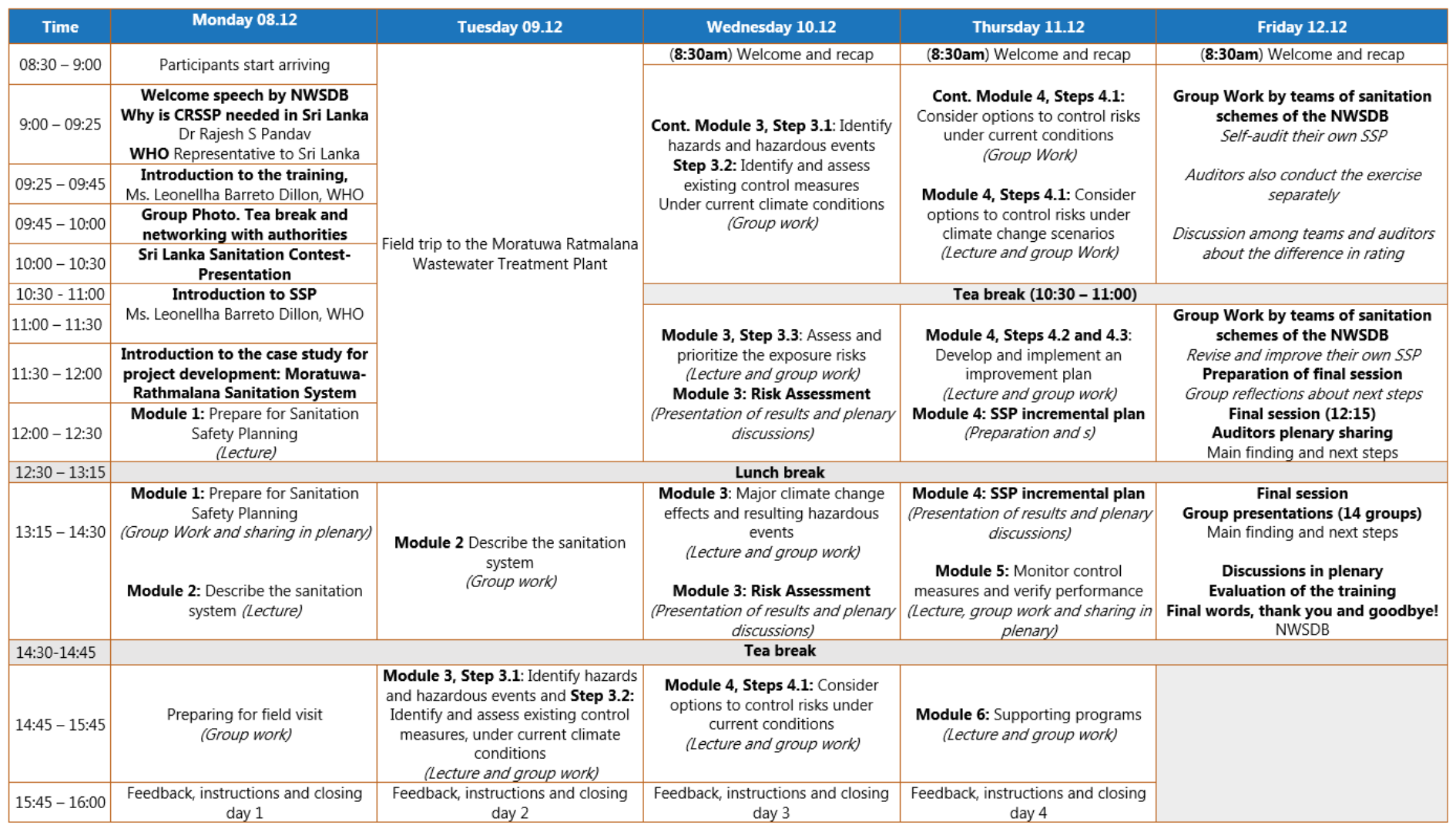
The following table shows the planned agenda of the 5-days training course:
SSP Training Materials


Participants´ SSPs
Please click on your group name to open and access your Sanitation Safety Plan:
- 5. Seethawaka
- 6. Ja-Ela / Ekala
- 7. Raddolugama
- 8. Biyagama
- 9. Kurunegala
- 10. Kataragama
- 11. Hikkaduwa
Group work Tools: SSP Moratuwa Rathmalana
Please click on your group name to open and access the tool:
- Group 1. Dehiwala / Mt. Lavinia
- Group 2. Jayawadanagama / Kolonnawa
- Group 3. Seethawaka
- Group 4. Ja-Ela / Ekala
- Group 5. Raddolugama / Biyagama
- Group 6. Kurunegala / Kandy City
- Group 7. Kataragama / Hikkaduwa/ Koggala
Group work PPTs: Next steps